
What to Know About Using Engineered Hardwood in Arizona
Engineered hardwood can be a strong choice for Phoenix Metro homes, but Arizona climate, monsoon humidity, sunlight, and room selection all matter. This guide explains where it works best, what to ask before you buy, and when tile or laminate may be the better fit.
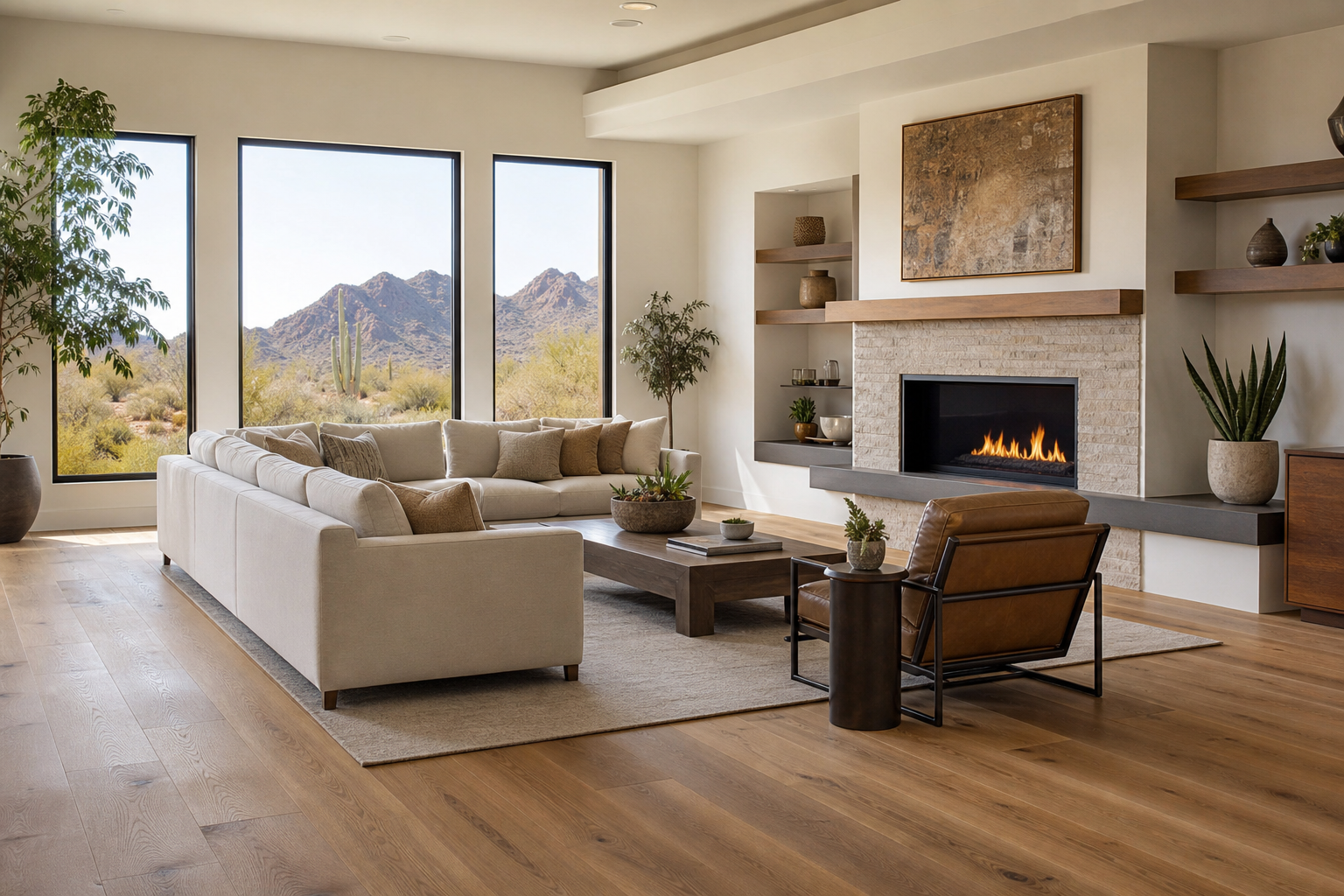
If engineered hardwood is on your shortlist for a remodel, the good news is that it can be a very smart fit here. The catch is that Arizona homes ask a lot from wood floors. In the Phoenix area, the climate is broadly arid, while monsoon season runs from June 15 through September 30 and brings a seasonal jump in moisture and storm activity. Scottsdale’s 1991 to 2020 climate normals also show a hot, dry pattern overall, with an average annual temperature of 73.3°F and average annual rainfall of 8.73 inches. (azdot.gov)
That combination of long dry stretches, air-conditioned interiors, and late-summer humidity swings is exactly why many homeowners here look at engineered hardwood before traditional solid plank. At TL Floor & Design Scottsdale on North Greenway Hayden Loop, Joani Woelfel and her team can help you compare hardwood with tile, laminate, and other surfaces based on how each room in your home actually gets used.
Why engineered hardwood often works better than solid wood here
Engineered hardwood is real wood, built differently. Shaw describes it as a real-wood veneer over a layered core, and notes that this construction provides greater stability against moisture and temperature changes than solid hardwood. Shaw also advises maintaining indoor conditions around 65°F to 75°F and 35% to 55% relative humidity before, during, and after installation. (shawfloors.com)
In practical Scottsdale terms, that means engineered hardwood is often the better conversation to have when you want the warmth of wood without choosing the option that is most reactive to seasonal change.
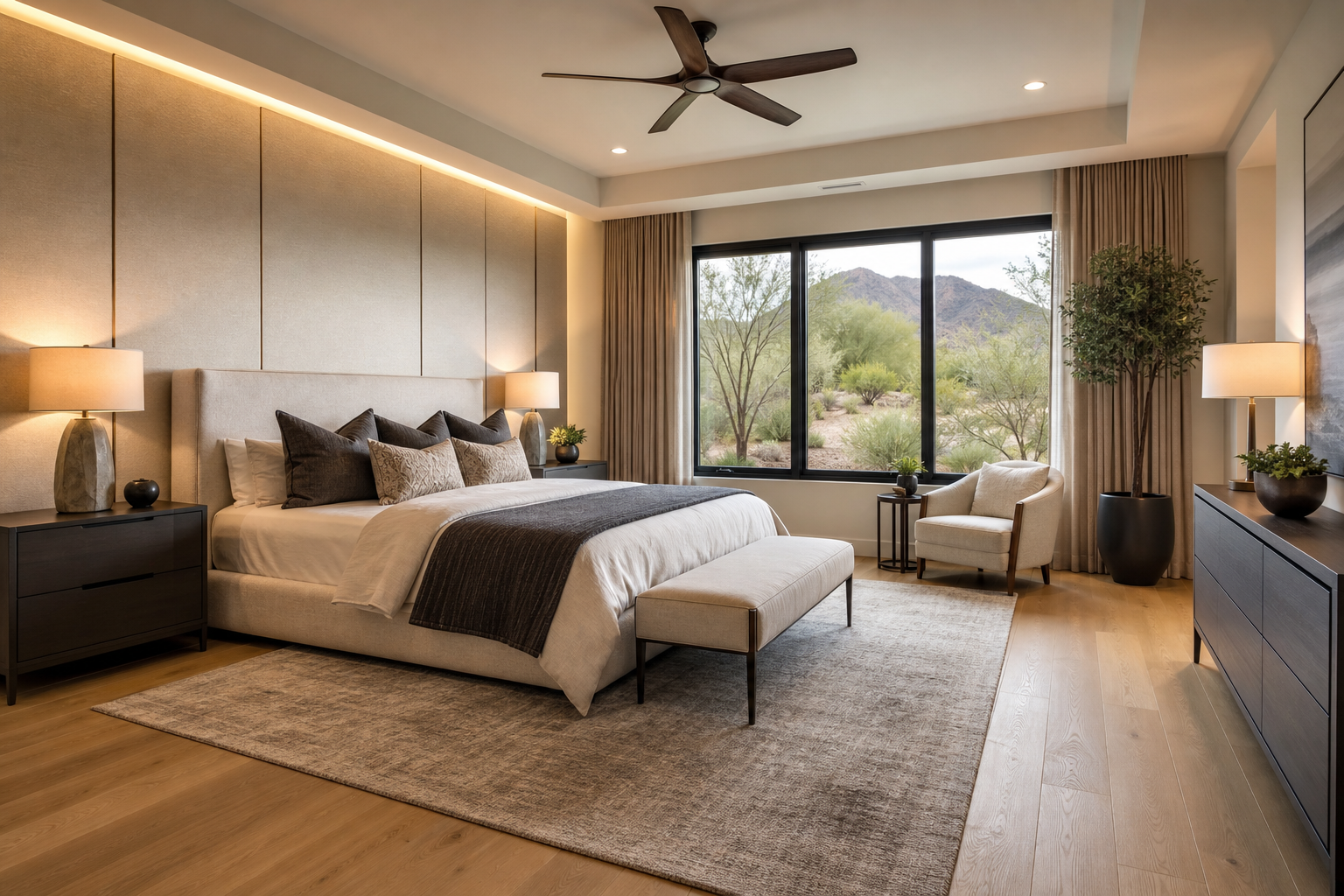
Four questions to ask before you choose a board
1. How much direct sun does the room get?
Arizona light is beautiful, but it is hard on natural materials. Shaw notes that sun and UV exposure can accelerate the oxidation and aging of wood, which may fade or shift color over time. If a room gets strong afternoon sun, that is worth discussing before you commit to a very dark or highly color-sensitive floor. (shawfloors.com)
2. Is this a dry living space or a splash zone?
Hardwood is not the best answer everywhere. Shaw says hardwood is not advisable in bathrooms or spaces with continuous moisture. For many Scottsdale homes, engineered hardwood makes sense in bedrooms, living rooms, offices, and formal dining spaces, while tile is the safer choice for some kitchen ares, bathrooms, laundry rooms, and entries that see regular wet traffic from outdoors or a pool area.
Quick rule for Arizona homes: use engineered hardwood where you want warmth and real wood character, but keep true wet zones in tile.
3. What is under the floor now?
Subfloor matters. Shaw says that if you are installing over concrete, an engineered product should be used rather than solid wood. That is an important detail in Arizona, where slab-on-grade construction is common. It is one of the first questions worth bringing into the showroom, because it narrows the options quickly. (shawfloors.com)
4. Can your home stay consistent year-round?
The biggest mistake with wood flooring in the desert is treating it like a set-it-and-forget-it material. Manufacturer’s guidance is clear: hardwood performs best when HVAC is running and indoor humidity stays in a steady range. Their care guidance also warns that consistent humidity helps prevent warping, while installation guidance calls for expansion space at the room perimeter. (shawfloors.com)
What matters during monsoon season
Because Arizona’s monsoon season brings higher humidity into an otherwise dry climate, late-summer installations deserve a little extra discipline. That is an inference from the regional weather pattern plus manufacturer installation guidance, but it is a useful one: if your project is happening in August or September, do not rush acclimation, moisture checks, or jobsite prep just to keep a tight schedule. (azdot.gov)
A good engineered hardwood installation in The Valley is usually less about chasing trends and more about getting the boring details right: stable indoor conditions, the right underlayment or adhesive system, proper expansion space, and realistic room selection.
A few style notes that make sense locally
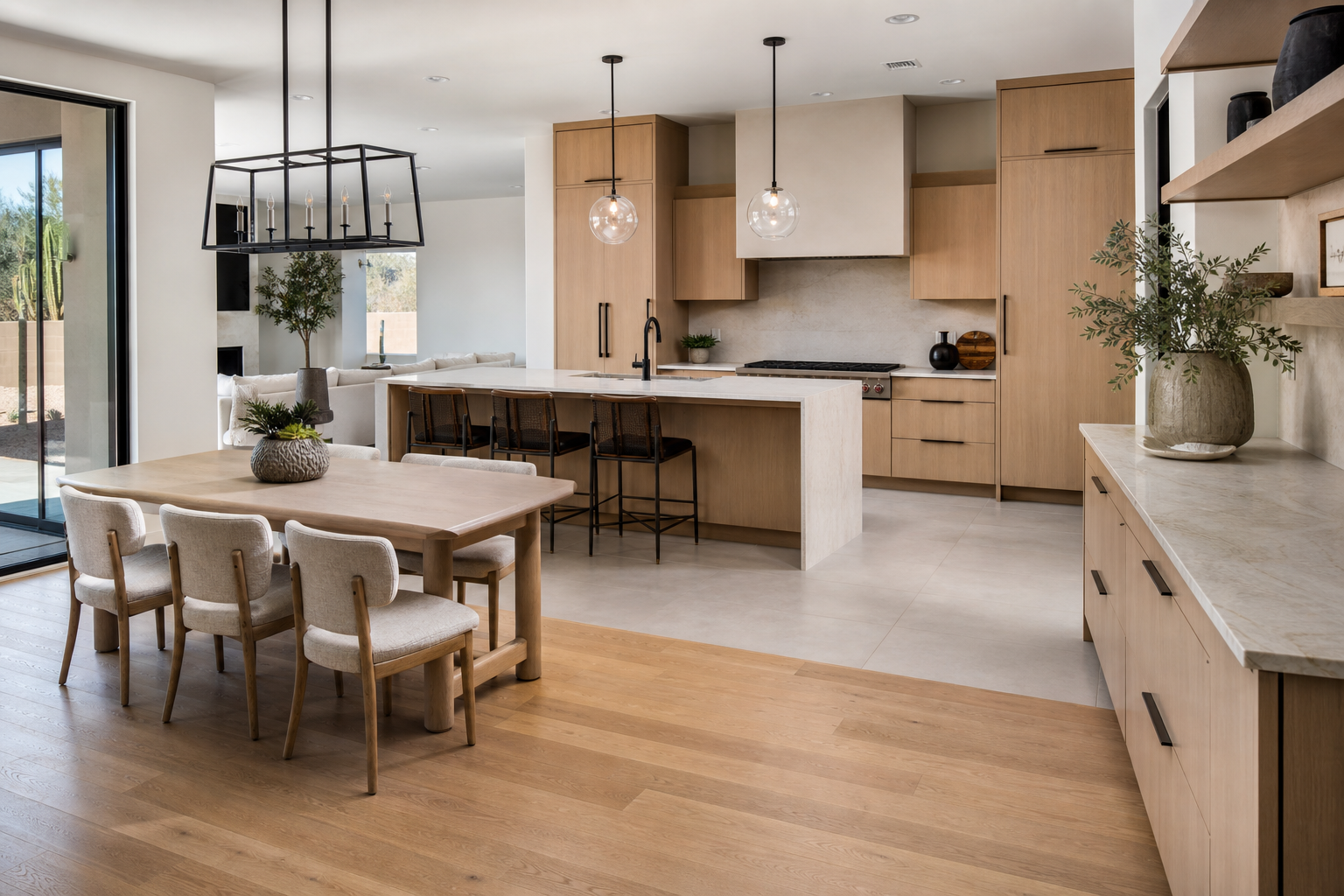
For many Scottsdale homes, matte and low-sheen finishes are easier to live with than glossy ones. They tend to feel more relaxed, work well with desert-contemporary interiors, and are often more forgiving of everyday dust between cleanings. Lighter to mid-tone oak visuals also pair easily with the stone, porcelain, and countertop looks many homeowners are already using in kitchens and baths.
That is where shopping locally helps. Instead of choosing hardwood in isolation, you can compare it next to tile for adjacent bathrooms, busier secondary spaces, or countertop finishes if the flooring project is part of a larger remodel.
Care habits that matter more in Arizona
Once the floor is in, maintenance is fairly simple, but the wrong habits can create problems. Shaw advises against steam cleaners and recommends keeping indoor humidity consistent. Their care guidance also points homeowners toward routine sweeping or vacuuming and hardwood-safe cleaning products instead of adding unnecessary moisture. (shawfloors.com)
In other words, engineered hardwood in Arizona is not high-maintenance, but it is climate-aware.
What to bring when you visit TL Floor & Design Scottsdale
If you want a more productive showroom visit, bring a few basics:
- rough room measurements
- photos of the spaces and nearby transitions
- notes about sun exposure
- whether the home sits on concrete or wood subfloor
- cabinet, paint, or countertop colors you need the floor to work with
That gives the Scottsdale team a much better starting point for helping you compare engineered hardwood against other realistic options in the store.
Engineered hardwood can absolutely work in Arizona. The best results usually come from choosing it for the right rooms, planning for sun and humidity, and matching the product to the way your Valley home is built and lived in. If you are weighing wood against tile or laminate, TL Floor & Design Scottsdale is a good place to sort that out before you order.