
Carpet in Lincoln, CA: How to Choose the Right Fiber for Real Life
Choosing carpet in Lincoln comes down to matching fiber, cushion, and maintenance to the way each room is actually used. This guide walks through what works best for bedrooms, stairs, family spaces, and replacement planning, with practical tips you can bring to Tile Liquidators on Lincoln Blvd.
Carpet in Lincoln: How to Choose the Right Fiber, Feel, and Replacement Timing
Late September in Lincoln still feels like a shoulder season. This week’s forecast shows warm to hot days, cooler nights, and at least one day with elevated wildfire risk conditions. In a home like that, carpet decisions are not just about color. They are also about how a room feels underfoot, how it handles family traffic, and how easy it is to keep clean when dry dust and smoke are part of life in Placer County. (placerair.org)
At Tile Liquidators’ Lincoln showroom, Jared and Erynn work with homeowners in person at 643 Lincoln Blvd, and the store specifically invites shoppers to bring measurements, photos, or rough finish ideas to narrow down the right direction. Carpet is one of the core surfaces carried there, alongside tile, hardwood, luxury vinyl, stone, and countertops. (tileliquidators.us)
Where carpet still makes the most sense in Lincoln homes
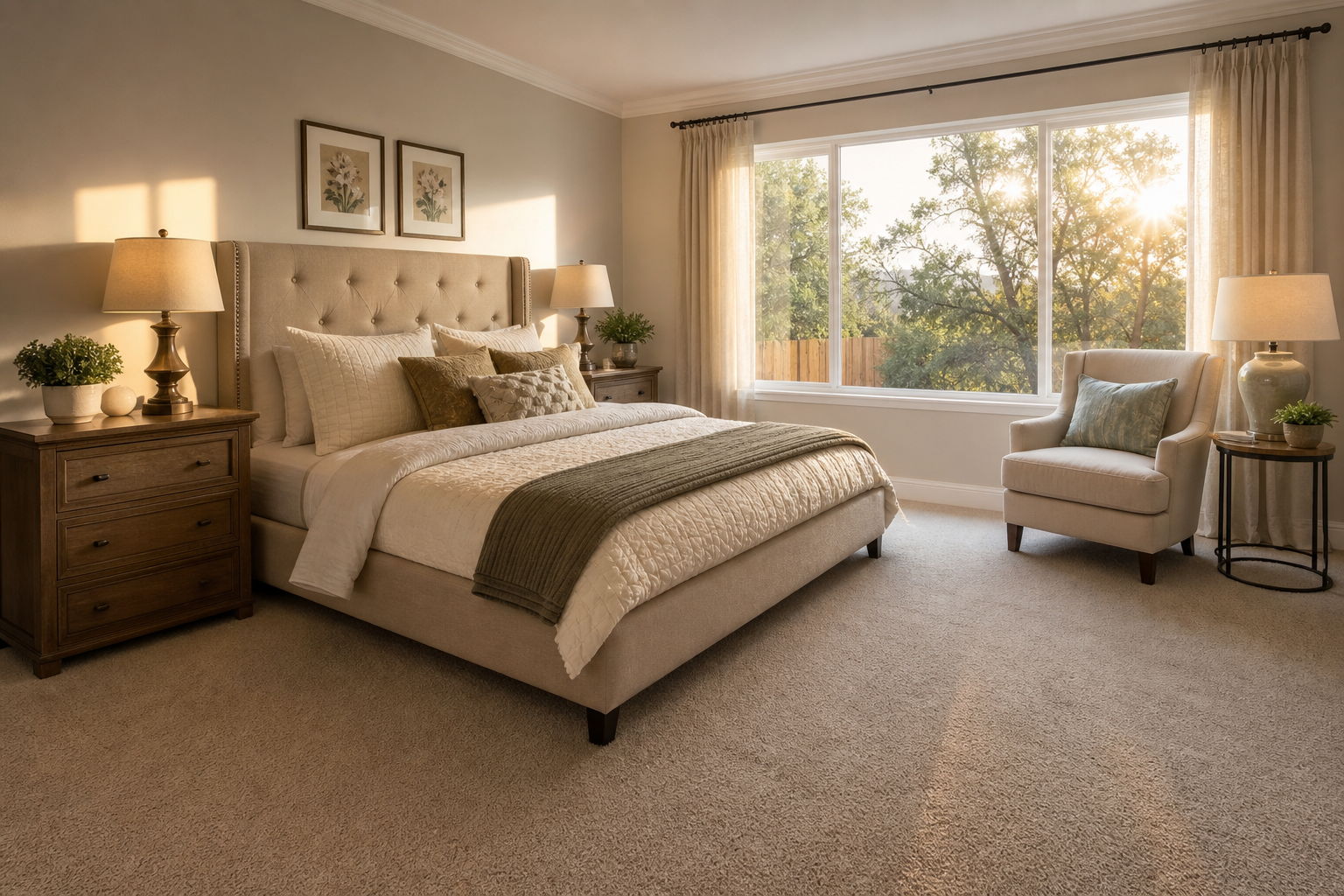
Carpet is usually strongest where comfort matters more than splash resistance: bedrooms, upstairs hallways, lofts, media rooms, and family spaces where you want the room to feel quieter and softer. The Carpet and Rug Institute recommends starting with room use, traffic level, pets, sunlight, and how directly the space connects to the outdoors before you choose a style or fiber. (carpet-rug.org)
For a lot of Lincoln households, that means treating rooms differently instead of putting the exact same carpet everywhere. Bedrooms can usually prioritize softness. Stairs and hallways need more resilience. Rooms right off a backyard, garage entry, or mud-prone path often benefit from hard surface at the threshold and carpet farther inside. That room-by-room approach is usually where an in-person showroom visit helps most. (carpet-rug.org)
A simple fiber guide that actually helps
The main residential carpet fibers in the U.S. are nylon, polyester, polypropylene, triexta, and wool. Each has different strengths in durability, texture retention, stain and soil resistance, and ease of cleaning. (carpet-rug.org)
Here is the shorthand most homeowners actually need:
Nylon
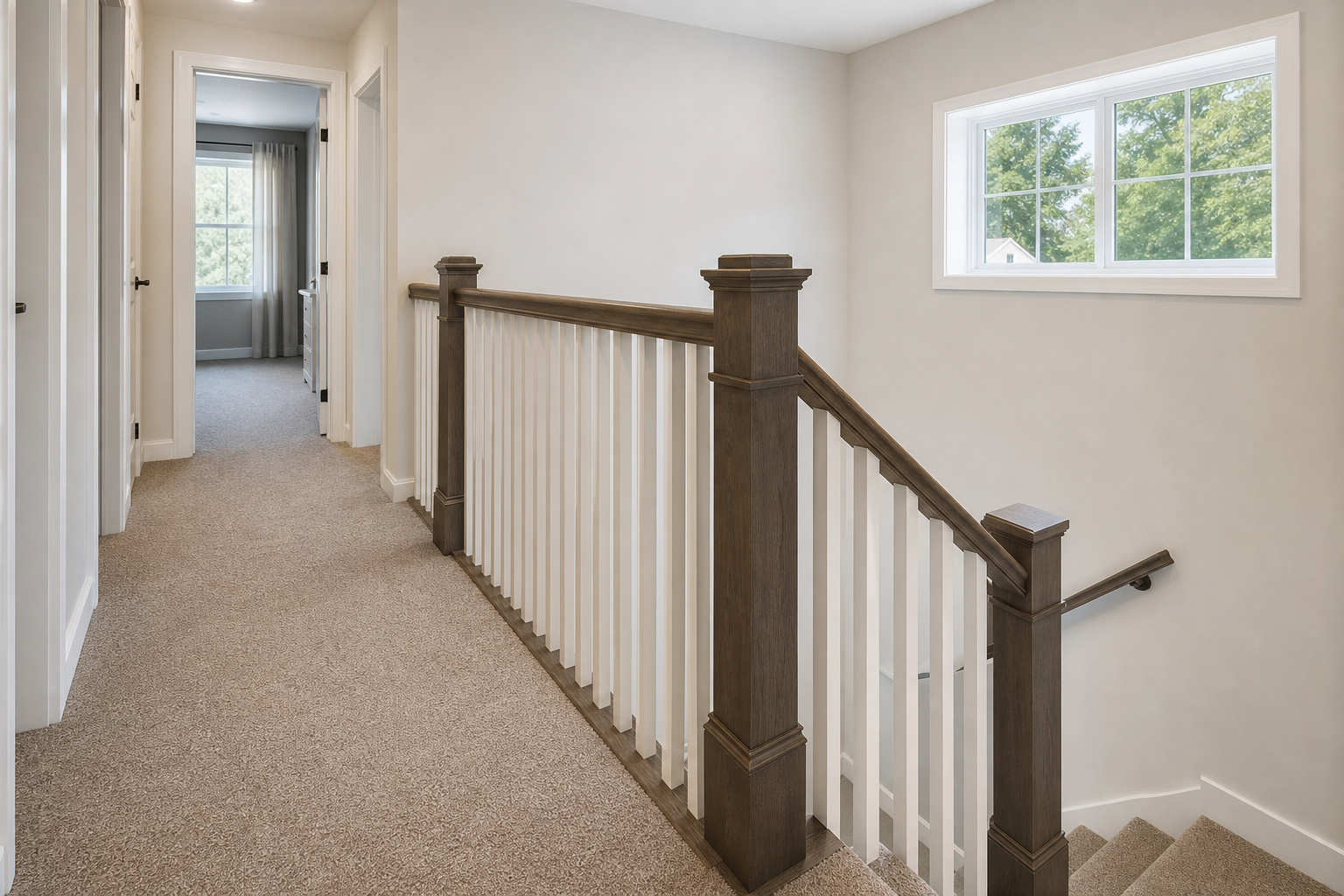
If you are carpeting stairs, busy hallways, or the main family room, nylon is often the first fiber worth asking about. Shaw highlights nylon as one of its primary carpet fiber options, and CRI notes that fiber choice should match expected wear and traffic. In plain terms, nylon is usually the safer performance pick for the parts of the house that get walked on hard. (shawfloors.com)
Polyester
Polyester is often a smart conversation for secondary bedrooms, guest rooms, or lower-traffic spaces where softness and budget matter. It can be a practical choice, but it is usually better to match it to lighter-use rooms than to the hardest-working paths in the house. That is less about “good” or “bad” carpet and more about using the right product in the right place. (carpet-rug.org)
Triexta and pet-focused options
If pets, spills, and cleanup are at the top of your list, triexta-based lines are worth a look. Godfrey Hirst’s SmartStrand line describes permanent built-in stain resistance, spill and soil protection, and easy cleaning. That does not mean maintenance disappears, but it does mean you should ask the Lincoln showroom to show you the difference between stain-resistant constructions instead of comparing color alone. (godfreyhirst.com)
The best carpet choice is usually not the softest one in the store. It is the one that still looks good in the room you actually live in.
Comfort depends on the pad too
A lot of carpet disappointment starts underneath the carpet, not on top of it. CRI says cushion is an essential part of the carpet system because it affects comfort, acoustics, insulation, and durability. It also notes that bedrooms and lower-traffic spaces can use thicker, softer cushion, while living rooms, family rooms, hallways, and stairs usually need thinner, firmer cushion within the manufacturer’s requirements. (carpet-rug.org)
That matters in Lincoln because many homes want two things at once: a softer feel in bedrooms and enough structure to hold up in the traffic lanes. If you are replacing upstairs carpet, ask to compare at least two pad options side by side. It is one of the easiest ways to avoid picking a carpet that feels great for thirty seconds in the showroom and underwhelming after installation. (carpet-rug.org)
Stain resistance is important, but maintenance still wins
Placer County operates year-round air monitoring for ozone and fine particulate matter, including a Lincoln monitoring site, and the county notes that smoke can affect PM conditions and that air quality can change with wildfire impacts. In practical home terms, that is one reason dry dust control matters here, especially in late summer and fall. (placerair.org)
CRI recommends regular vacuuming, fast spot cleanup, professional deep cleaning every 12 to 18 months, and using mats outside and inside doors while also reducing airborne dust particles indoors. Shaw’s carpet care guidance is similarly direct: vacuum frequently, blot spills immediately, and remember that stain resistant is not the same as stain proof. (carpet-rug.org)
So if your household deals with pets, kids, backyard traffic, or the occasional smoky week, the smart plan is simple:
- choose a fiber that fits the room
- do not cheap out on the pad
- use entry mats at the busiest doors
- vacuum traffic lanes often
- clean spills right away
That routine does more for long-term appearance than chasing a single miracle feature. (carpet-rug.org)
How to tell when replacement is the better move
If your carpet has traffic-lane crushing, recurring stains, odors that keep returning, or areas that still feel flat and worn after proper cleaning, replacement is usually worth pricing. That is an inference based on CRI’s emphasis on routine maintenance and periodic deep cleaning, plus Shaw’s guidance to address deep stains professionally and protect traffic areas with regular care. When a carpet no longer responds well to that level of maintenance, most homeowners are past the “clean it again” stage and into the “compare new options” stage. (carpet-rug.org)
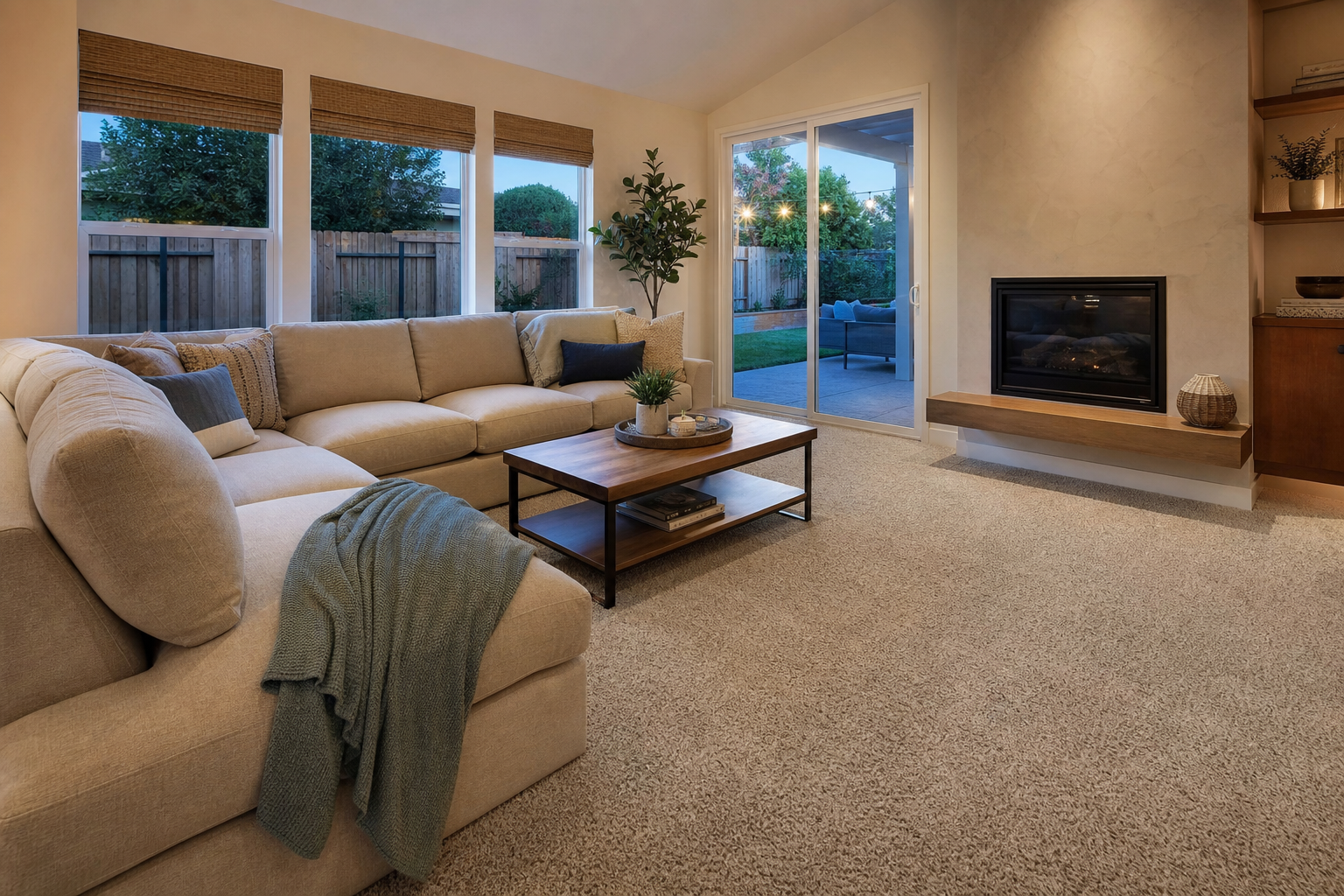
A good local example is the upstairs replacement project: bedrooms may still look acceptable, but the landing and stairs often tell the real story. If those zones are visibly matted or no longer spring back, bring photos and rough measurements to the Lincoln showroom and compare a heavier-duty option for the path with a softer option for the sleeping rooms. Tile Liquidators specifically invites that kind of in-person planning conversation. (tileliquidators.us)
Planning a visit to the Lincoln showroom
Tile Liquidators’ Lincoln location is at 643 Lincoln Blvd, Lincoln, CA 95648 and is open Tuesday through Friday from 9:00 AM to 5:00 PM and Saturday from 10:00 AM to 4:00 PM. The showroom team encourages shoppers to bring measurements, photos, and project details so they can narrow the material direction in person. (tileliquidators.us)
If your project includes more than carpet, that is useful too. Tile Liquidators carries carpet plus hard surfaces, so you can sort out bedroom carpet, stair durability, and adjacent bath or entry flooring in one visit instead of trying to piece the plan together across multiple stores. And if you are budgeting a larger project, the company’s financing page currently lists 12 months of interest-free financing through Synchrony with approved credit. (tileliquidators.us)
For Lincoln homeowners, that is really the goal: pick carpet by room, by traffic, and by real life. If you do that, carpet can still be one of the most comfortable and practical surfaces in the house.