
Choosing Hardwood for Orem Homes Before Winter
Hardwood can be a great fit for Orem homes, but Utah County’s dry climate means product choice and humidity planning matter just as much as color. This guide walks through solid versus engineered wood, the best rooms for each, and what to bring to Tile Liquidators Orem before winter project season gets busy.
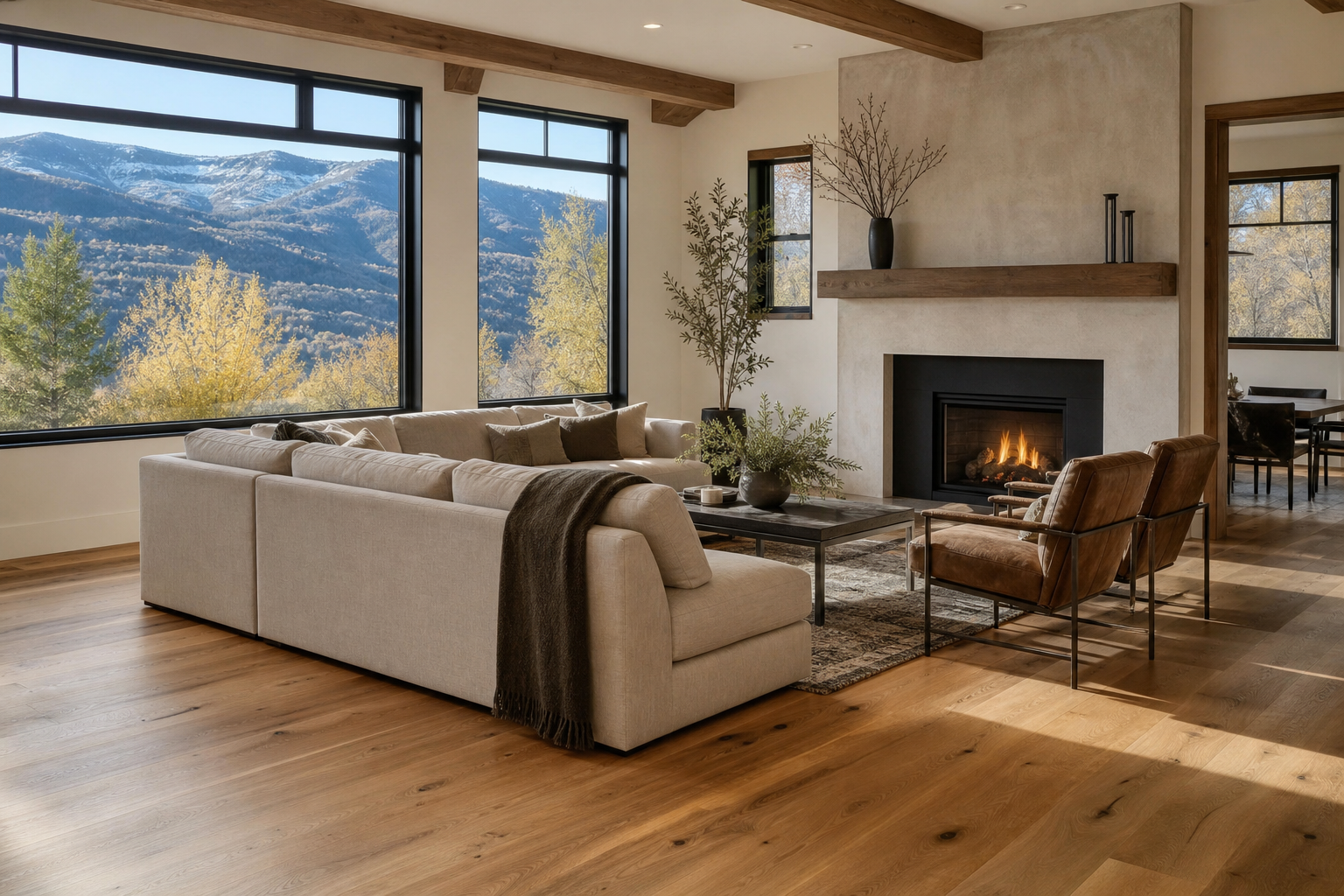
Choosing hardwood in Orem is not just about stain color. It is about picking a floor that can handle Utah County’s dry climate and the seasonal indoor swings that come once homes are closed up and heated. Utah is largely semi-arid, and the National Wood Flooring Association says wood floors perform best when interior conditions stay in a controlled range year-round. (ibis.utah.gov)
At Tile Liquidators in Orem, hardwood is one of the core material categories the showroom helps shoppers compare, and the store currently features a hickory look called Sea Scrolls Hickory among its highlighted surfaces. That makes this a good time to think past the sample and focus on how the floor will actually live in your home. (tileliquidators.us)
Why climate matters more here
Real wood reacts to moisture in the air. In dry conditions it can shrink, and in more humid conditions it can swell. NWFA recommends keeping the home around 60 to 80 degrees and roughly 30 to 50 percent relative humidity to reduce common issues like seasonal gapping or movement. In an area like Orem, that humidity conversation matters before you choose board width, species, or installation method. (woodfloors.org)
For a lot of Utah County homes, that means thinking about the whole year, not just install week. If your house gets very dry once the furnace runs, a matte oak or hickory floor can still be a great choice, but the right product construction and realistic maintenance plan matter.
Solid or engineered?
This is usually the first smart question. Engineered wood floors expand and contract less than solid wood flooring, according to NWFA, and they are especially well suited to below-grade spaces like basements. That does not mean solid hardwood is off the table in Orem. It means engineered hardwood is often the easier fit when the room is on slab, in a basement, or in a house with bigger seasonal humidity swings. (woodfloors.org)
If you are shopping at the Orem showroom, this is where an in-person comparison helps. You can look at the hardwood visuals you want, then compare them with other hard-surface options in the same visit if you have an entry, mud area, or basement zone that may need a different material strategy. The showroom specifically invites customers to bring measurements, photos, and rough finish ideas to narrow the direction in person. (tileliquidators.us)
The hardwood looks that make sense in Orem homes
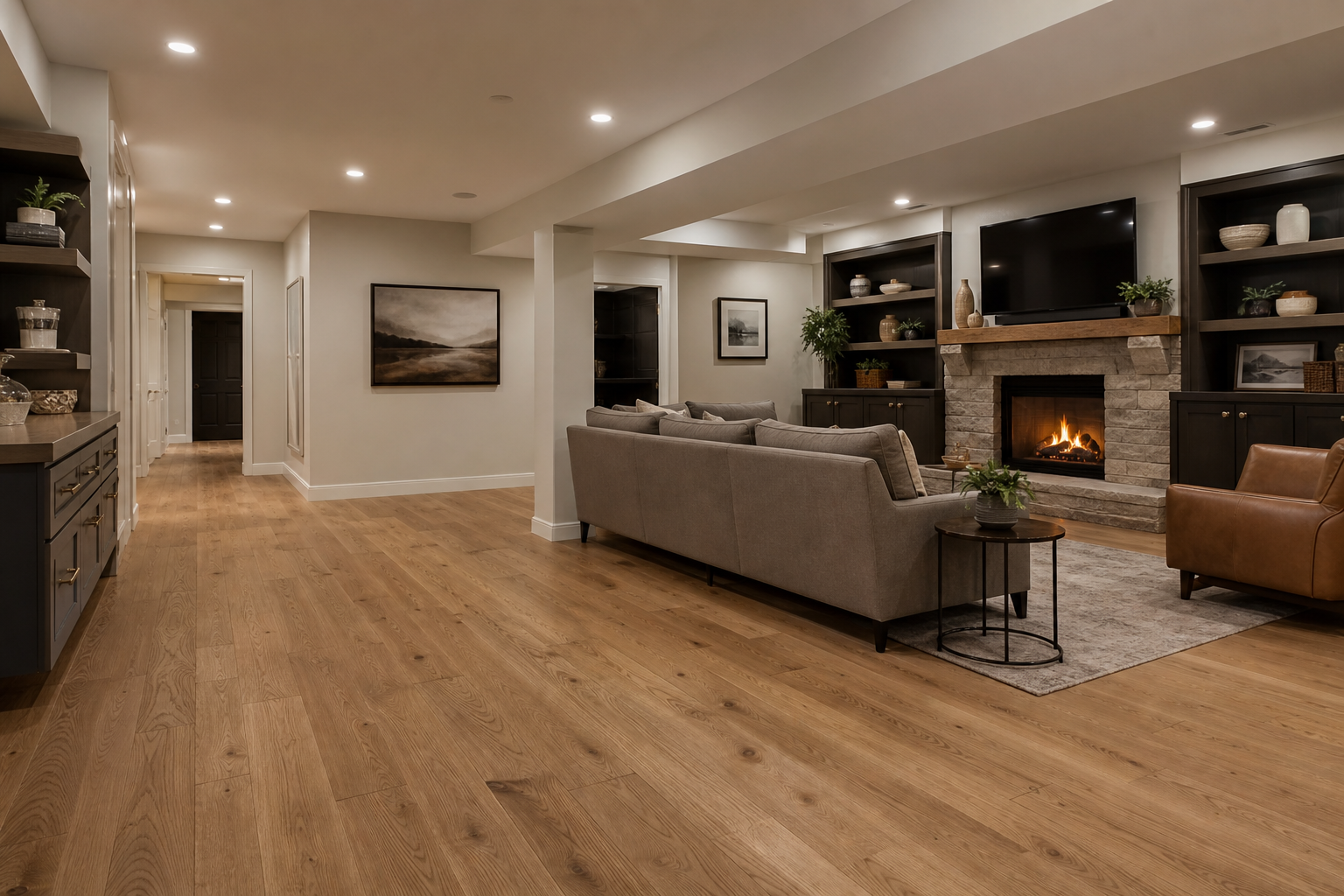
In this area, medium natural tones tend to feel easy to live with. They work well with the bright light common in Wasatch Front homes, and they usually stay more forgiving than very dark floors when everyday dust shows up. Hickory and oak are both strong starting points if you want visible grain and a floor that still feels classic five or ten years from now.
Low-sheen finishes are also worth a serious look. They feel current without being trendy, and they tend to make routine traffic, pet hair, and the small stuff of daily life less obvious than a glossier finish. If you want the warmth of real wood without a fussy feel, that is often the sweet spot.
Quick Orem tip: If the room is on concrete, in a basement, or next to a wet entry, ask to compare engineered hardwood with tile or LVP before you commit. The right room-to-room plan usually saves more headaches than the “perfect” board color alone. (woodfloors.org)
Best rooms for hardwood, and where to pause
Hardwood is a strong fit for main living areas, bedrooms, offices, stairs, and upstairs halls. Those spaces get the warmth and character people want from wood without taking the full brunt of wet boots, melting snow, or repeated standing water.
Where I would pause in Orem is the true drop zone. If your front or garage entry regularly gets moisture, road grime, or winter slush, it may make sense to use tile or another hard-surface product there and transition into hardwood after the traffic clears. One advantage of Tile Liquidators being a multi-category flooring store is that you do not have to force one material into every room just because you like the look. The better project is often the one that mixes materials intelligently.
What to bring to the Orem showroom
To make your visit more useful, bring:
- rough room measurements
- a few phone photos in daylight
- a note about whether the subfloor is wood, concrete, or basement slab
- cabinet, paint, or countertop photos if the hardwood connects to a kitchen or main living space
That lines up with how the Orem team already works: they ask shoppers to bring measurements, photos, or rough finish ideas so they can narrow the material direction in person. (tileliquidators.us)
A simple winter care plan for hardwood
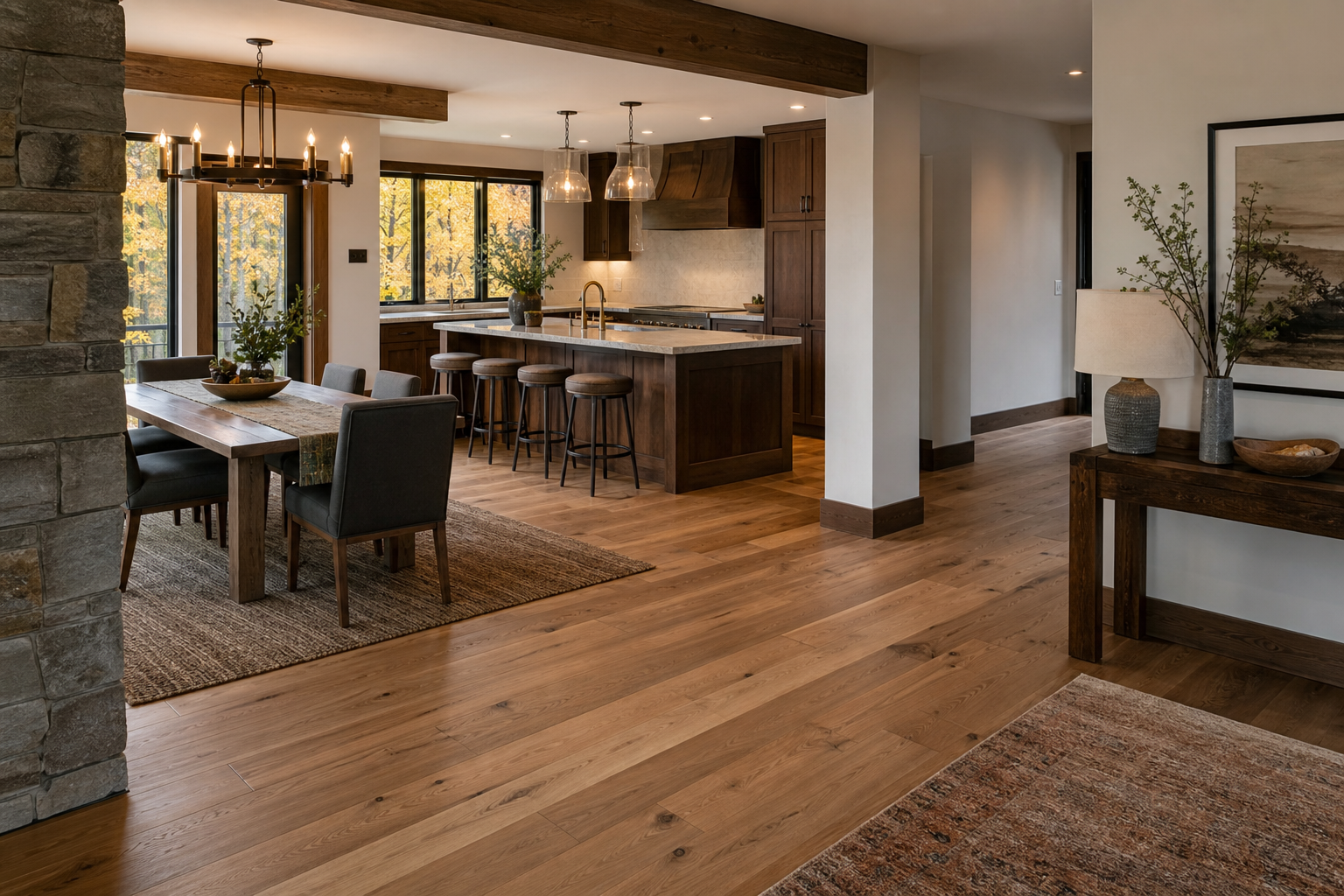
Once your floor is in, the goal is consistency. NWFA recommends routine sweeping, dust mopping, or vacuuming on the bare-floor setting, cleaning spills promptly, avoiding wet mops and steam mops, and using rugs or pads to reduce scratching at entries and under furniture. Just as important in a dry climate, keep an eye on indoor humidity instead of letting the house get extremely dry for long stretches. (woodfloors.org)
That is the part many homeowners skip. They buy a beautiful floor, then treat winter humidity like an afterthought. In Orem, that small habit change can make a real difference in how your hardwood looks between the first season and the fifth.
Planning your project locally
If you want to sort through hardwood in person, Tile Liquidators Orem is at 109 N 1200 W and lists showroom hours Monday through Friday from 8:30 AM to 6:00 PM, with Saturday visits available by appointment. Bring your measurements and photos, ask to compare solid and engineered options side by side, and if budget timing matters, ask about Synchrony financing while you plan the project. (tileliquidators.us)