
Glue-Down vs. Floating LVP in Orem: Which One Makes More Sense for Your Home?
If you are comparing glue-down and floating LVP in Orem, the right answer usually comes down to subfloor condition, room use, project timing, and how you want the floor to feel through Utah County’s wet winter entry season. This guide explains the practical differences and what to bring to Tile Liquidators Orem so you can make the decision with real room details, not guesswork.
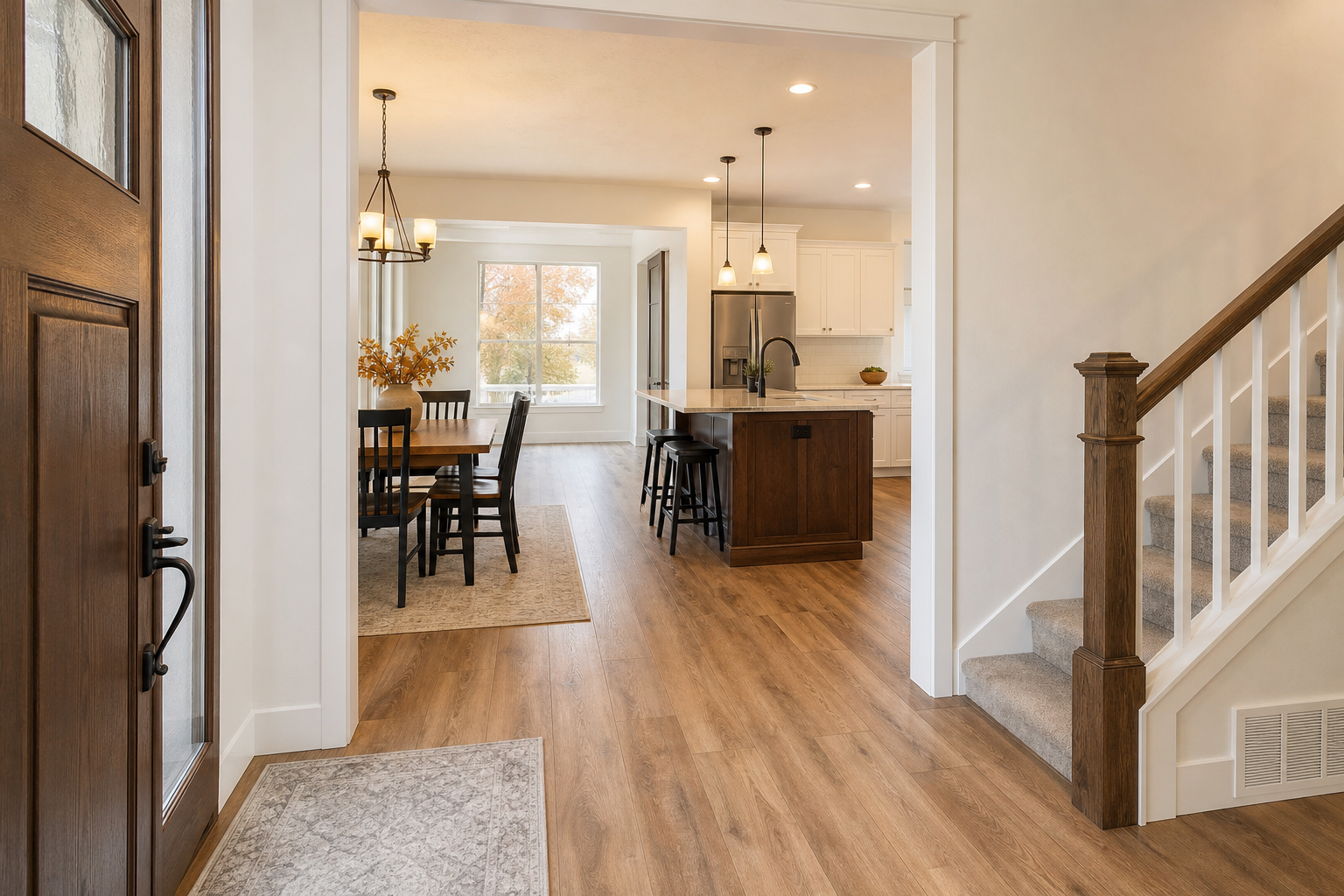
Glue-down vs. floating LVP in Orem: how to choose the right fit before winter
As of Tuesday, October 27, 2026, Orem is heading from highs in the low 60s this week to rain and highs around 47°F on Sunday, November 1, and Monday, November 2. That is the time of year when wet shoes, leaves, and driveway grit start showing up at the front door. If you are shopping luxury vinyl plank at Tile Liquidators in Orem, one of the most useful questions to answer before you pick a color is this one: glue-down or floating?
We sell both at our Orem store, and neither one is automatically the better choice. The right pick usually comes down to your subfloor, your layout, your timeline, and how the room gets used every day.
The short version
- Floating LVP locks together and sits over the subfloor as a floating floor, with manufacturer instructions calling for the proper expansion space around the perimeter. (armstrongflooring.com)
- Glue-down LVP is adhered directly to the subfloor, which makes it a more fixed installation and usually harder to remove later. (armstrongflooring.com)
Quick rule of thumb: If your main priority is speed and flexibility, start by comparing floating LVP. If your main priority is a firmly attached floor over a well-prepped surface, start by comparing glue-down LVP.
When floating LVP makes sense
Floating LVP is often the easier starting point for busy households. Many rigid-core locking floors are designed to install without adhesive, and some product lines can handle minor subfloor irregularities better than traditional glue-down products, although they still need a clean, flat base and the exact tolerances vary by manufacturer. For smaller spaces, some manufacturers also position locking LVP as approachable for advanced DIYers. (armstrongflooring.com)
That usually makes floating LVP a good conversation to have if:
- you want a faster remodel path in a lived-in home
- you may update nearby rooms later and want more flexibility
- you are replacing older flooring and want to compare options that can keep the project moving
For a lot of Orem shoppers, floating LVP is the easier place to begin because it gives you plenty of style choices without forcing you into one installation path too early.
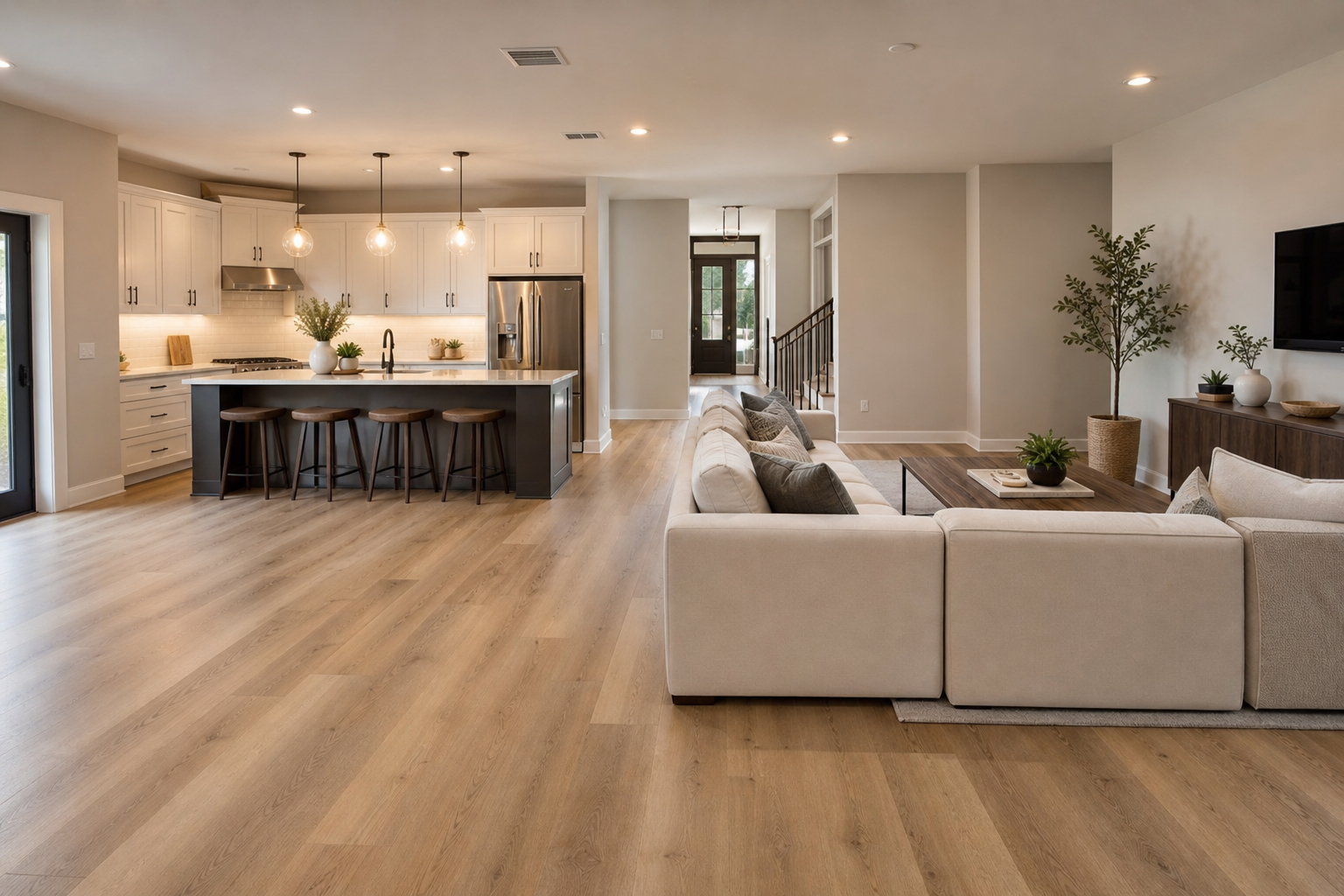
When glue-down LVP deserves a closer look
Glue-down LVP is worth serious consideration when the subfloor is in good shape and you want the floor firmly attached to that surface. Because the plank is fully adhered, it often gives a more anchored feel underfoot. That last point is an inference from how the system is installed, but it is one reason many shoppers like to compare glue-down side by side with floating options in the showroom. (armstrongflooring.com)
Glue-down LVP tends to be worth a longer look if:
- your slab or subfloor is already in strong condition
- you want a lower-profile hard surface floor
- you are planning a long, open run and want the floor to feel very settled
It is also not just a theory for our Orem store. Glue-down LVP has shown up in recent local work in our portfolio, including an SK Flooring project from May 2026, so this is a product category our team talks through with real-world context.
Why this choice matters in Orem
This decision can be more local than it sounds. In Utah County, road salting and sanding rules are in place, and UDOT says it pre-treats roads with brine before storms and uses salt during storm response. In plain English, winter entry floors here see moisture, residue, and grit. That does not automatically decide glue-down versus floating, but it does make product construction, seam quality, and entry-mat planning more important. (rules.utah.gov)
Utah is also broadly classified as semi-arid, which is a good reminder that local homes can swing between tracked-in moisture at the door and very dry interior conditions during heating season. That is one more reason not to choose LVP by color alone. Subfloor prep and following the specific installation instructions matter. (ibis.utah.gov)
What to bring to Tile Liquidators Orem
If you want a useful answer instead of a vague one, bring these four things to our store at 109 N 1200 W in Orem:
- rough room measurements
- a few phone photos of the space
- a note about what is under the current floor, such as concrete, plywood, tile, or existing vinyl
- any known history of dips, cracks, or basement moisture
That gives Noah, Dave, and the Orem team a much better starting point for helping you compare the right construction, not just the right color.
If budget is part of the decision, say that up front. We can show you both glue-down and floating options in a realistic range, and if you are tackling several rooms at once, it is also worth asking about financing through Synchrony.
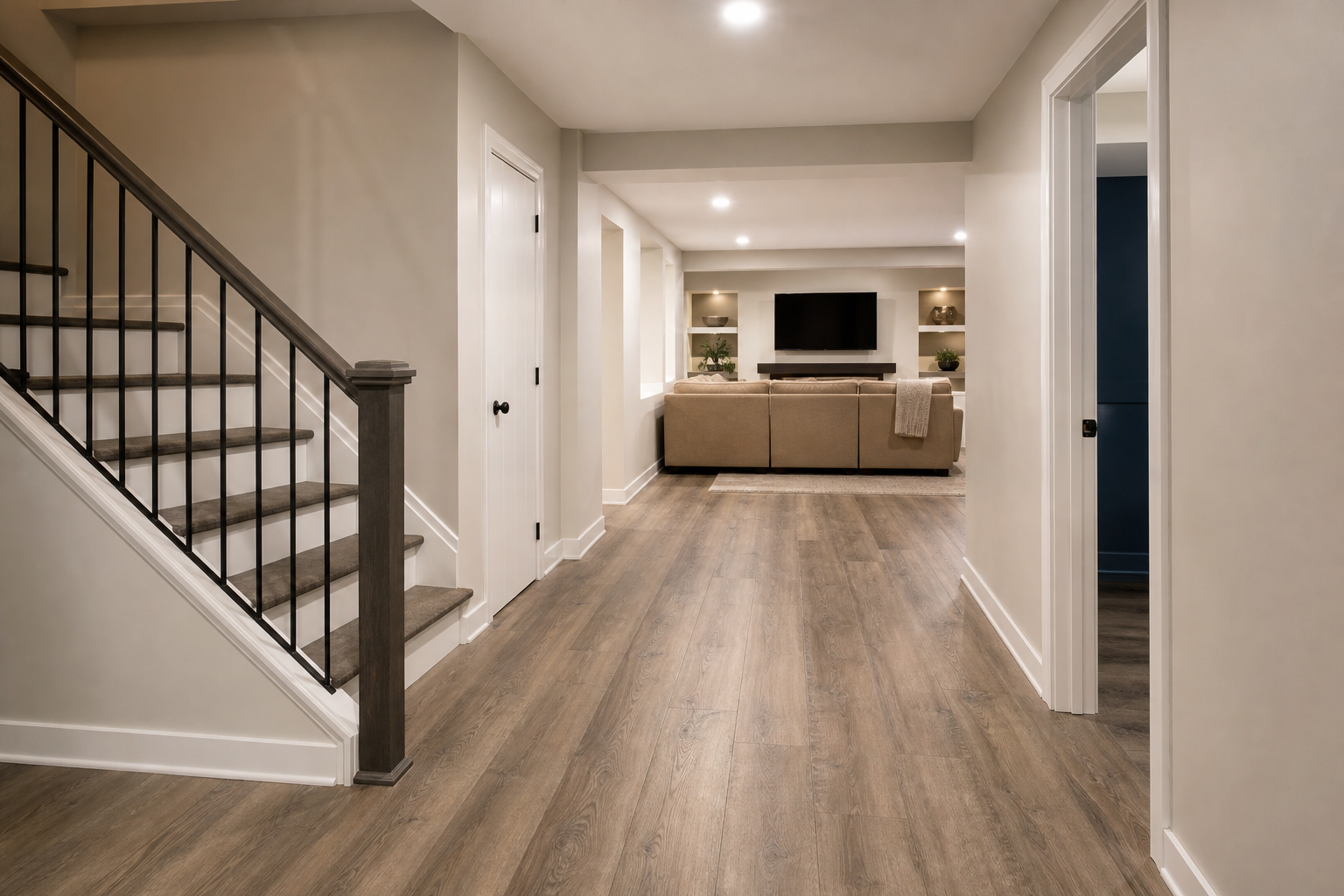
Bottom line
If you want the simplest framework, use this:
- Choose floating LVP when you want installation flexibility, easier project sequencing, and a locking floor that may be more forgiving depending on the product line. (armstrongflooring.com)
- Choose glue-down LVP when you have a properly prepped floor and want a more fixed, low-profile result. (armstrongflooring.com)
If you are still not sure, do not try to solve it from a product label alone. Bring the measurements and photos into Tile Liquidators Orem, and we will help you compare both systems against your actual rooms and your actual schedule.