
Choosing Hardwood for Cary Homes Before Winter HVAC Season
A Cary-focused guide to choosing hardwood flooring with practical advice on engineered versus solid wood, indoor humidity, pre-install moisture checks, finish selection, and when refinishing should factor into the decision.
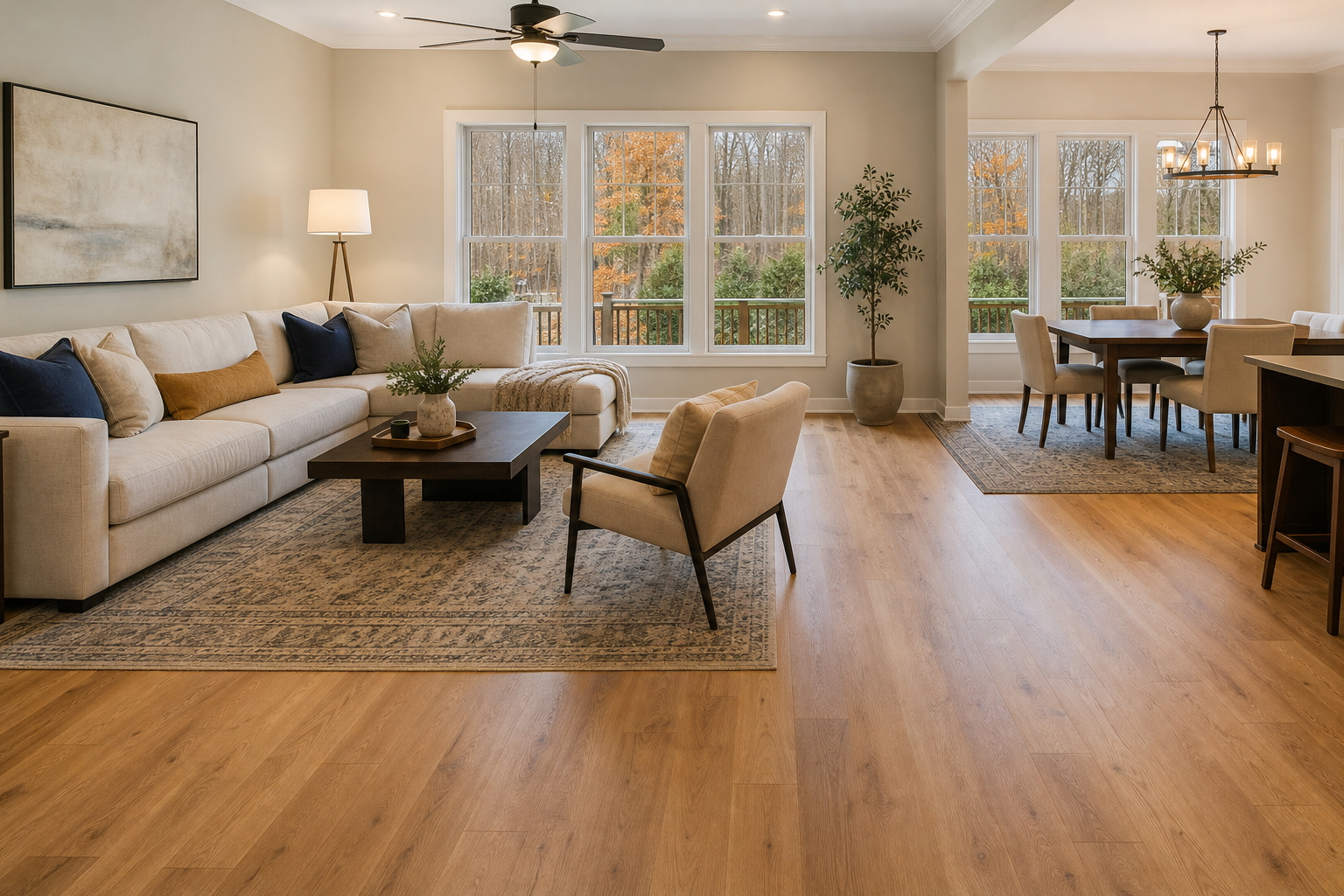
Hardwood always looks easy in photos. In Cary, the harder part is choosing a floor that can live through humid summers, shoulder-season HVAC swings, and the occasional crawl-space moisture issue. In early October at Raleigh-Durham, normal highs are still in the mid-70s and lows are in the low-50s, which is exactly when many homes start bouncing between air conditioning and heat. That seasonal handoff matters because wood responds to changes in indoor moisture and temperature. (weather.gov)
At Tile Liquidators on Nottingham Drive in Cary, shoppers can bring measurements, photos, or rough finish ideas and narrow the options in person. The company also lists hardwood among the surfaces it carries, including both solid and engineered wood, so this is a good place to compare the two with your actual room conditions in mind. (tileliquidators.us)
Start with the Cary question: solid or engineered?
For a lot of Triangle homes, engineered hardwood is the practical first conversation. Shaw notes that solid hardwood can be refinished multiple times, but it is also more susceptible to warping or gapping from moisture and temperature swings. Engineered hardwood is designed for greater stability, and Shaw also says engineered products are the right choice for below-grade areas and for installations over concrete. (shawfloors.com)
That does not mean solid hardwood is off the table. If long-term refinishing is high on your priority list and your home has steady indoor conditions, solid wood can still be a smart buy. The key is matching the product to the house, not forcing the house to behave like a showroom.
Cary hardwood rule of thumb: choose the floor that fits your home's moisture reality first, then choose color and plank width.
The humidity target matters more than most shoppers expect
NWFA says wood-floor problems can be minimized by keeping the home between 60 and 80 degrees Fahrenheit and 30 to 50 percent humidity year-round. Shaw's hardwood care guidance recommends maintaining 35 to 55 percent humidity, and NC State Extension says indoor humidity should stay below 60 percent, with 30 to 50 percent being optimal. The exact target depends on the product you buy, but the larger point is simple: if your indoor humidity drifts too far, your hardwood will tell on you. (woodfloors.org)
That is why fall is such a useful time to plan a wood-floor project in Cary. If your house gets dry once the heat comes on, or muggy in shoulder seasons, that should shape your product choice. This is also where brands matter. If you are comparing lines from Shaw Floors or a design-forward option from DuChateau, ask what indoor range the manufacturer expects and how forgiving that floor is if your home is not perfectly controlled.
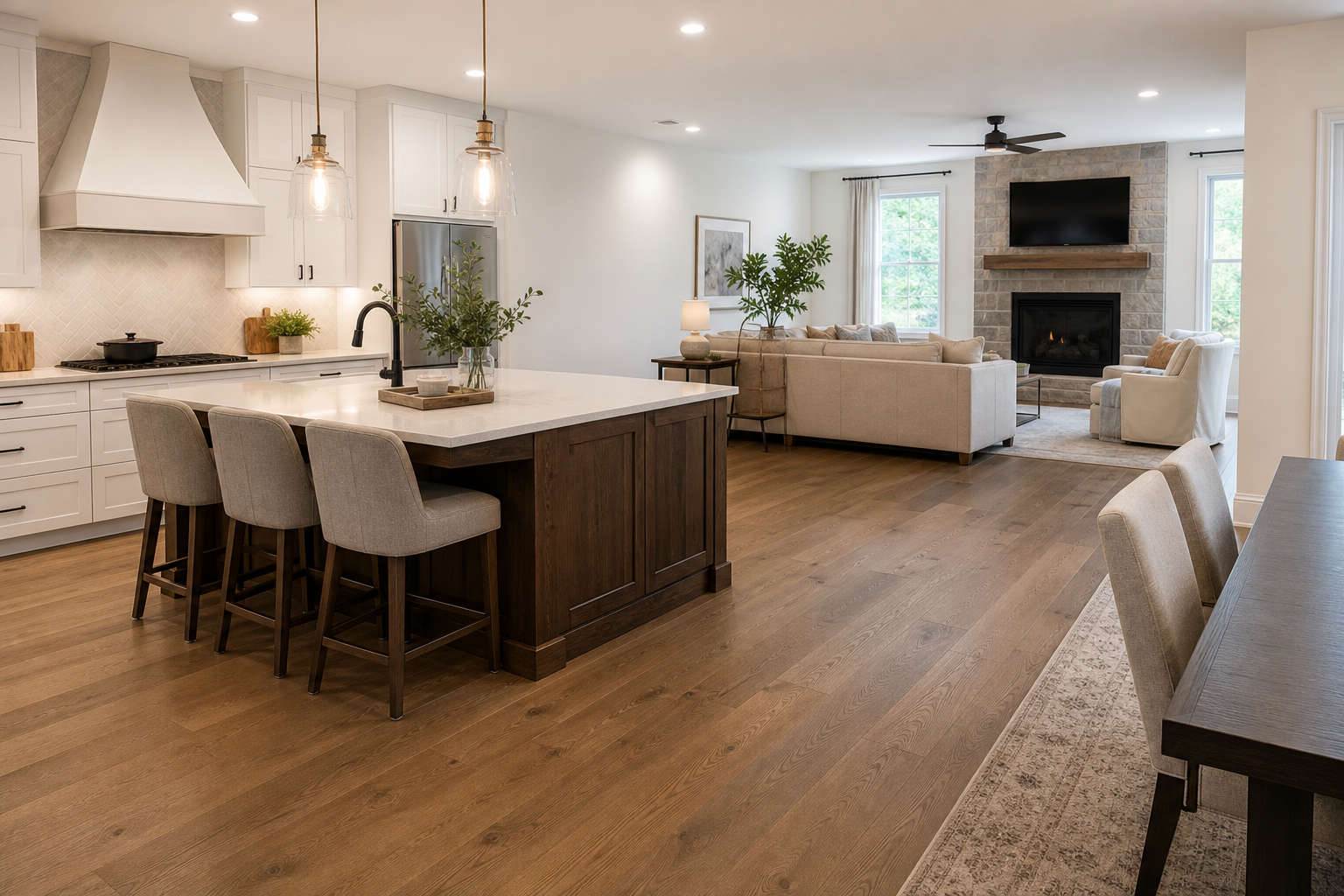
Before installation, check the house, not just the sample
If you want hardwood to last, do a quick moisture audit before you order.
- Crawl space: NC State Extension advises inspecting for moisture leaks and making sure the crawl space is properly sealed, with a plastic vapor barrier covering the soil.
- Foundation drainage: Gutters and downspouts should move water away from the foundation so moisture does not collect around the house.
- Leaks: Check under sinks, around toilets, laundry hookups, and visible plumbing runs before installation day.
- Subfloor and grade level: If you are installing over concrete or in a below-grade area, engineered hardwood usually makes more sense than solid.
Those checks come straight from NC State Extension and manufacturer guidance, and they are much cheaper to handle before flooring arrives than after a new floor starts moving. (content.ces.ncsu.edu)
Finish choices that tend to age well here
Once the moisture conversation is settled, style gets a lot easier.
For many Cary households, a low-sheen finish is the easiest long-term look. It feels current, works well in open living spaces, and is usually more forgiving day to day than a glossy floor. Natural and mid-tone oaks also stay flexible if you like to update paint, cabinets, or furniture over time.
If your main floor takes a lot of traffic from back doors, pets, or kids, ask to compare smoother boards with lightly textured options. The goal is not to hide wear forever. It is to choose a look that still feels good after a busy Tuesday, not just after a Saturday cleaning.
When refinishing is worth planning for
If you are buying hardwood because you want the option to renew it later, ask that question before you fall in love with a color. Shaw says solid hardwood can be refinished multiple times, while NWFA notes that a full sand-and-refinish is recommended when there are deep scratches, dents, or worn-through finish. NWFA also points out that the number of times a floor can be sanded depends on factors like condition and wear-layer thickness. In other words, some engineered floors may be candidates for refinishing, but not all of them are. (shawfloors.com)
That is a great in-store question at Tile Liquidators Cary: Is this specific product something I can realistically refresh later, or should I treat it as a long-life surface that I will maintain rather than refinish?
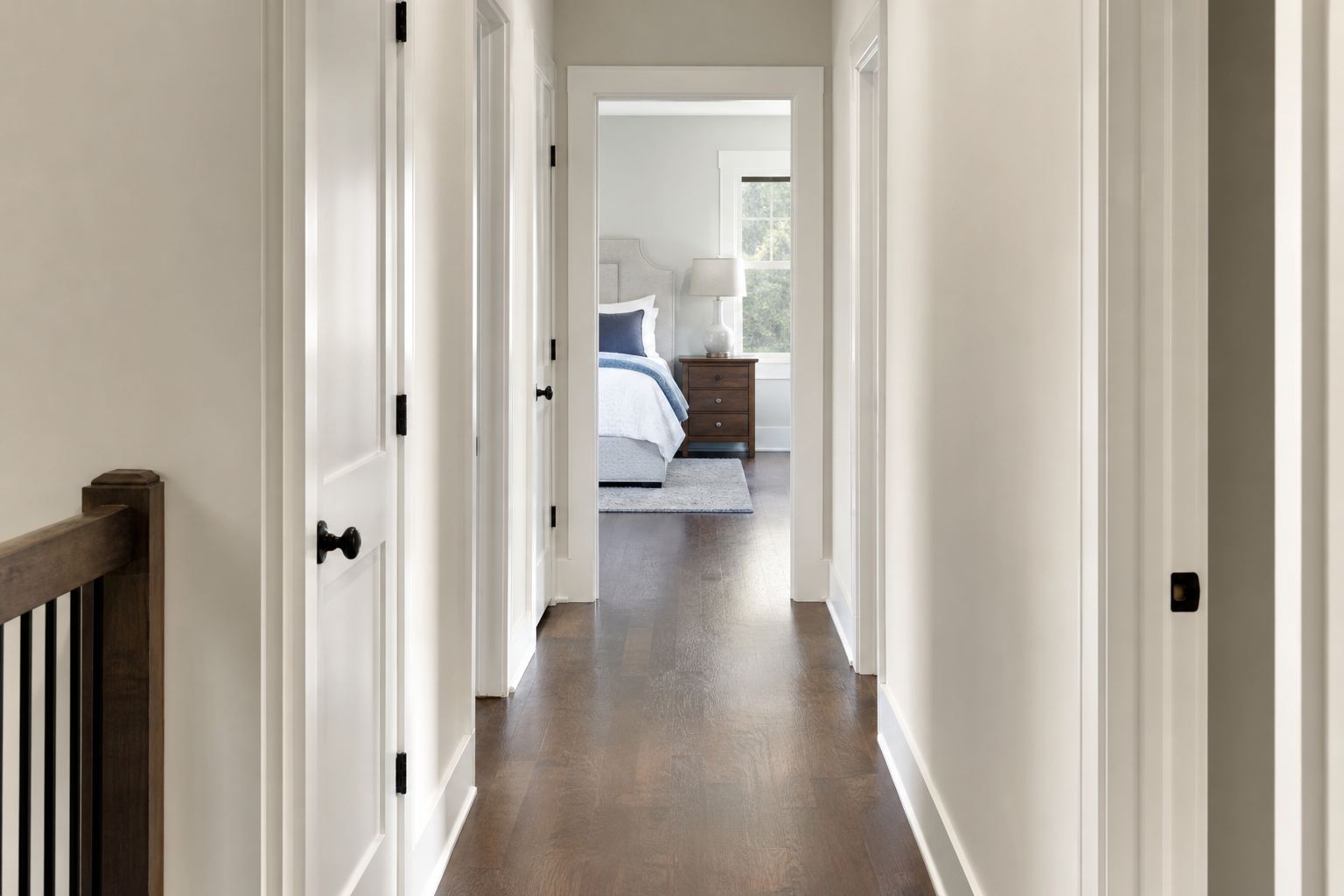
What to bring to the Cary showroom
To make the visit more productive, bring room measurements, a few photos, and any inspiration images you have saved. Tile Liquidators specifically invites shoppers to bring measurements, photos, or rough finish ideas, and the Cary showroom is set up to help narrow the material direction in person. (tileliquidators.us)
Also bring the practical details people forget to mention at first:
- whether the floor is going over a slab, plywood, or an older subfloor
- whether the room sits above a crawl space
- whether you want future refinishing flexibility
- whether the house gets strong afternoon sun
- what your real timeline and budget look like
If budget timing is part of the equation, ask the Cary team about financing options through Synchrony while you are comparing products.
Hardwood can be a beautiful fit for Cary homes. The smartest projects usually start with three honest answers: how stable your home's moisture levels are, what you are installing over, and whether you want the possibility of refinishing later. Once those are clear, the right wood floor gets much easier to choose.